Buyers in Australia are sold a pair of acronyms as if they were one product: building and pest. They can be booked together, delivered as one PDF, and paid on one invoice. They remain two inspections. AS 4349.1 is a visual condition report on a residential building. AS 4349.3 is a visual timber pest inspection. The person on the ladder may be the same. The method, the licence, the insurance and the sentences that matter are not.
This article is about that split, and about the overlap that makes it confusing: moisture, ventilation, decay, and the way a leaking shower is both a building defect and a termite invitation. It belongs with the pest and timber reporting, but it only makes sense if you also know what a pre-purchase building inspection covers.
Two standards, two questions
AS 4349.1 asks: what is the condition of the building, as far as a visual inspection of accessible areas can tell? The answer is framed as major defects, minor defects, safety hazards and limitations. Termites appear in that report when they have already become a building story — a eaten bearer, a hollow post, mudding on a pier — or when the inspector is being careful about scope.
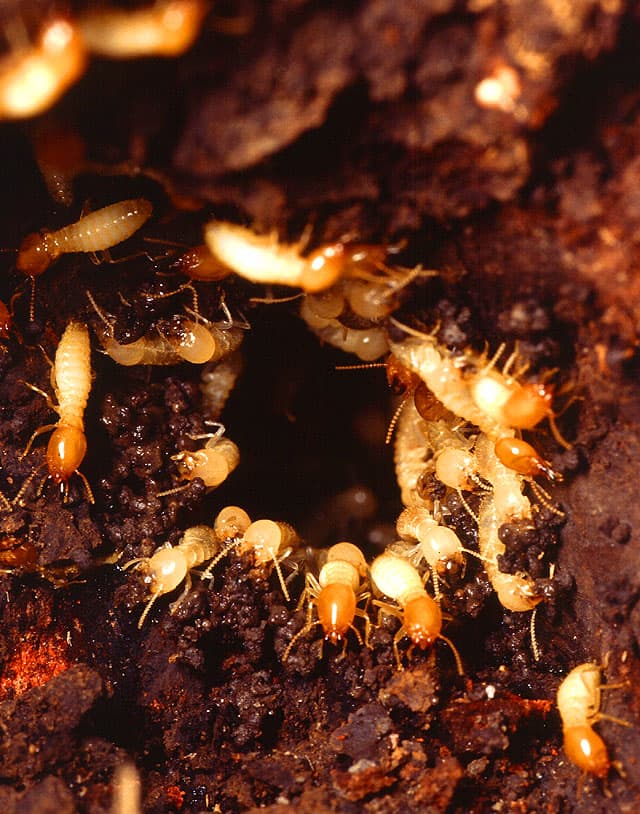
AS 4349.3 asks: is there evidence of timber pests, and of conditions that favour them, in accessible areas? The answer is framed as activity, damage, species where it can be told, conducive conditions, and, again, limitations. The inspector is looking at termites, borers and fungal decay as a pest problem, not only as a cracked tile.
AS 4349.1 explained is the building half in more detail. Termite inspections in Australia is the pest half. The reason to keep them conceptually separate is that a clean building summary can sit on top of a pest report that is full of conducive conditions, and a dramatic building defect list can sit on top of a pest report that finds no live insects. Those are different negotiations.
What a combined inspection is, and is not
A combined building and pest is a sensible product when it is two methods. The inspector, or the pair of inspectors from the same firm, attends once, crawls the subfloor once, and writes two sets of findings. The buyer gets one access argument with the agent and one day off work.
The failure modes are predictable.
The firm sends a building inspector who “has a look for termites” without writing to AS 4349.3. The pest page is a disclaimer. The buyer thinks they bought a pest inspection.
The firm sends a pest technician who comments on roof tiles and cracking without the building method. The buyer thinks they bought a building report.
The software merges the two so thoroughly that you cannot see which finding belongs to which standard. When you later want to use a major defect under a contract clause, or a live termite finding under the same clause, you need the label.
Ask for the agreement to name both standards. Ask who holds the pest licence. Ask whether the pest report can stand alone if you have to forward it to a treatment company or a solicitor.
Why the building inspector still sends you to a specialist
A competent building inspector in a subfloor who sees fresh mudding will photograph it, describe it, and write “recommend a timber pest inspection / licensed pest manager”. Buyers find this irritating. They have already paid for someone to be under the house.
The recommendation is usually about one of four things.
Scope. The building engagement did not include AS 4349.3. The inspector is staying inside the contract they signed with you.
Competence and licence. In Queensland and in other states with pest licensing, identifying species, determining activity and recommending treatment is not a casual extra. The building inspector may be a builder. They may not be a pest manager.
Insurance. Professional indemnity policies are written tightly. A building inspector whose PI excludes pest opinions is not being precious when they refuse to say “inactive Coptotermes”. They are reading their policy.
The next step is not visual. Live activity leads to treatment decisions, to opening linings, to a builder’s assessment of residual strength. That is a pest-and-building conversation, but it starts with a pest report that is prepared to name the insect.
The useful response is not to argue with the building inspector on the nature strip. It is to have booked the pest inspection already, or to book it that afternoon, while the clause is alive.
The overlap: moisture, ventilation, wood rot
Water is the shared language.
A leaking shower is a building defect under AS 4349.1. It is also a conducive condition under AS 4349.3, because subterranean termites and fungal decay both like a wet wall cavity. A building report that says “further investigation of the ensuite waterproofing” and a pest report that says “moisture-conducive conditions at the ensuite, no live activity sighted” are talking about the same corner of the house. Pay the plumber. Do not treat the two sentences as alternative views.
Subfloor ventilation is the same. The building inspector writes that the subfloor is damp, the vents are blocked, and the floor has a bounce. The pest inspector writes that ventilation is poor, timber moisture is elevated, and the conditions favour termites and decay. You do not need to decide which report is “right”. You need to clear the vents, fix the drainage, and then decide whether any timber has already been lost.
Fungal decay — “wet rot” in the everyday sense, and the badly named “dry rot” — sits in both documents. A decayed bearer is a structural finding. It is also a timber-pest finding. White ants, borers and fungal decay is the field guide. The practical point here is that a building inspector who calls every soft timber “termite damage” is not helping you, and a pest inspector who ignores a decayed stump because no insect is present is only doing half the job you think you bought.
How the reports get used in a contract
Inspection clauses often say “building and pest”. That is a blessing and a trap. It means both reports can feed a termination or a renegotiation. It also means a vendor can argue that the building report was “only minor defects” while ignoring the pest report’s live activity, or the reverse.
Read both. Give both to the conveyancer. If the clause requires a major defect, ask whether live termite activity or structural pest damage is treated as one in your state and in your wording. Do not let the agent summarise the pair as “the building was fine, just a few pest notes”.
If you only booked a building inspection, you may not have a pest document to attach to a notice. In a Queensland wet season that is a hole in the strategy. In a Hobart winter it is still a hole, just a quieter one.
The southern skip
There is a well-worn habit among buyers in Melbourne, Adelaide, Hobart and, sometimes, Canberra: book the building inspection, skip the pest, because termites are a Queensland problem and the house is brick.
The habit persists because many houses in those cities will, in fact, produce a pest report with no live activity. That is not the same as the inspection being pointless. The report will still record conducive conditions, historic damage, fungal decay, and the occasional live colony that ruins the habit.
Melbourne’s weatherboard and brick-veneer stock, especially with wet subfloors and ageing showers, is not a desert. Adelaide’s masonry sits on soil that Coptotermes can use. Tasmania has both decay and termites; mainland buyers who move south for the climate sometimes discover the first when they put a foot through a verandah, and the second when they renovate a kitchen. Western Australia does not have this habit as badly, because Perth has been educated by its own fauna. The Northern Territory does not have it at all.
A southern pest inspection is often cheaper than a northern one and faster on a small cottage. Skipping it to save that fee, on a purchase of several hundred thousand dollars, is not sophistication. It is a cultural leftover.
Brick veneer is a costume. The frame, the floor, the roof and the kitchen are still timber. Pest inspections are for the timber, not for the costume.
What each report should contain, side by side
A building report worth paying for will describe construction type, list major and minor defects, name safety hazards, photograph the evidence, and write limitations that sound like the house. It may mention timber pest evidence as a building observation.
A timber pest report worth paying for will:
- Name AS 4349.3.
- Describe which areas were inspected and which were not.
- State whether live activity was found, and where.
- Describe damage, and whether it appears historic or current.
- Identify the pest as far as the evidence allows — subterranean termite, drywood, borer, fungal decay.
- List conducive conditions in ordinary language.
- Recommend a next step: treatment, invasive investigation, drainage, reinspection interval.
- Avoid “termite free”.
If the combined PDF cannot be separated into those two jobs, ask for a revision before you rely on it.
State notes for the combined booking
Queensland. Combined is the default. Check QBCC pest credentials. High-set houses deserve time under the floor on both methods.
New South Wales. Combined is common on the coast and in Sydney. Inland and southern buyers still skip pest; they should not. No single inspector licence means you ask more questions, not fewer.
Victoria. Building inspections are routine. Pest is the add-on people drop. Put it back.
Western Australia. Pest is closer to mainstream. Still confirm that the building half is not being written by the pest technician alone, unless they are actually qualified for both.
South Australia. Damp and pest should be in the same week of your life, because they share walls.
Tasmania. Decay will dominate many reports. Still get the pest method, if only to stop a vendor telling you the rot is “just the climate”.
ACT. Auction timetables crush both inspections. Book the combined visit before you bid.
Northern Territory. Combined, annual, and not optional.
A worked comparison
A 1960s brick veneer in the suburbs of Adelaide is inspected on a Tuesday.
The building report says: fair condition for age; failed silicone and elevated moisture at the main shower; downpipe discharging at the south-west corner; hairline cornice cracking consistent with seasonal movement; gutters holding water.
The pest report says: no live termite activity in accessible areas; historic damage consistent with old borer to a fascia; conducive conditions at the shower and at the downpipe; slab edge concealed by soil along the south; recommend exposing the edge, repairing the wet area, and reinspection in twelve months.
A buyer who reads only the building summary proceeds and paints the ensuite. A buyer who reads both pays a plumber, lowers the soil, and knows they have not bought a live colony today. They also know where the next one would start.
The house did not change between the two halves of the PDF. The questions did.
How to book without buying a slogan
- Write “AS 4349.1 and AS 4349.3” in the email, not only “building and pest”.
- Ask who attends for each half, and what licence they hold.
- Give both inspectors, or the one person doing both, the same access: subfloor, roof, meter box, wet areas.
- Read the two contents pages. If pest is a heading without a method, you do not have a pest report.
- In Melbourne, Adelaide, Hobart and Canberra, resist the skip. In Queensland, the Territory and coastal NSW, resist the idea that the building report’s termite note is enough.
- Use both documents in the clause. Agents summarise. PDFs do not.
The combined inspection is a convenience. The two standards are a discipline. You can have both, as long as you do not let the convenience eat the discipline.