Flood is the risk that leaves a line on a wall and then, if the vendor has had enough time and enough trades, leaves almost nothing. The line is the useful part. The nothing is what most buyers are looking at.
A pre-purchase building inspection is a visual account of the house on a dry day, or on a wet one that is not the flood. It is not a hydrology report. It is not a search of insurance claims. It can still be the only document that notices the skirting in the rear bedroom is newer than the rest, or that the lower ten centimetres of the plasterboard have been cut and replaced, or that the particleboard cabinets in the laundry have the swollen, rounded corners that water leaves behind.
Those observations are easy to over-read and easy to ignore. This article is about staying between those mistakes. It is not legal advice, not a flood certificate, and not a recommendation about any suburb that has been in the news.
Three kinds of water, and why the distinction is not academic
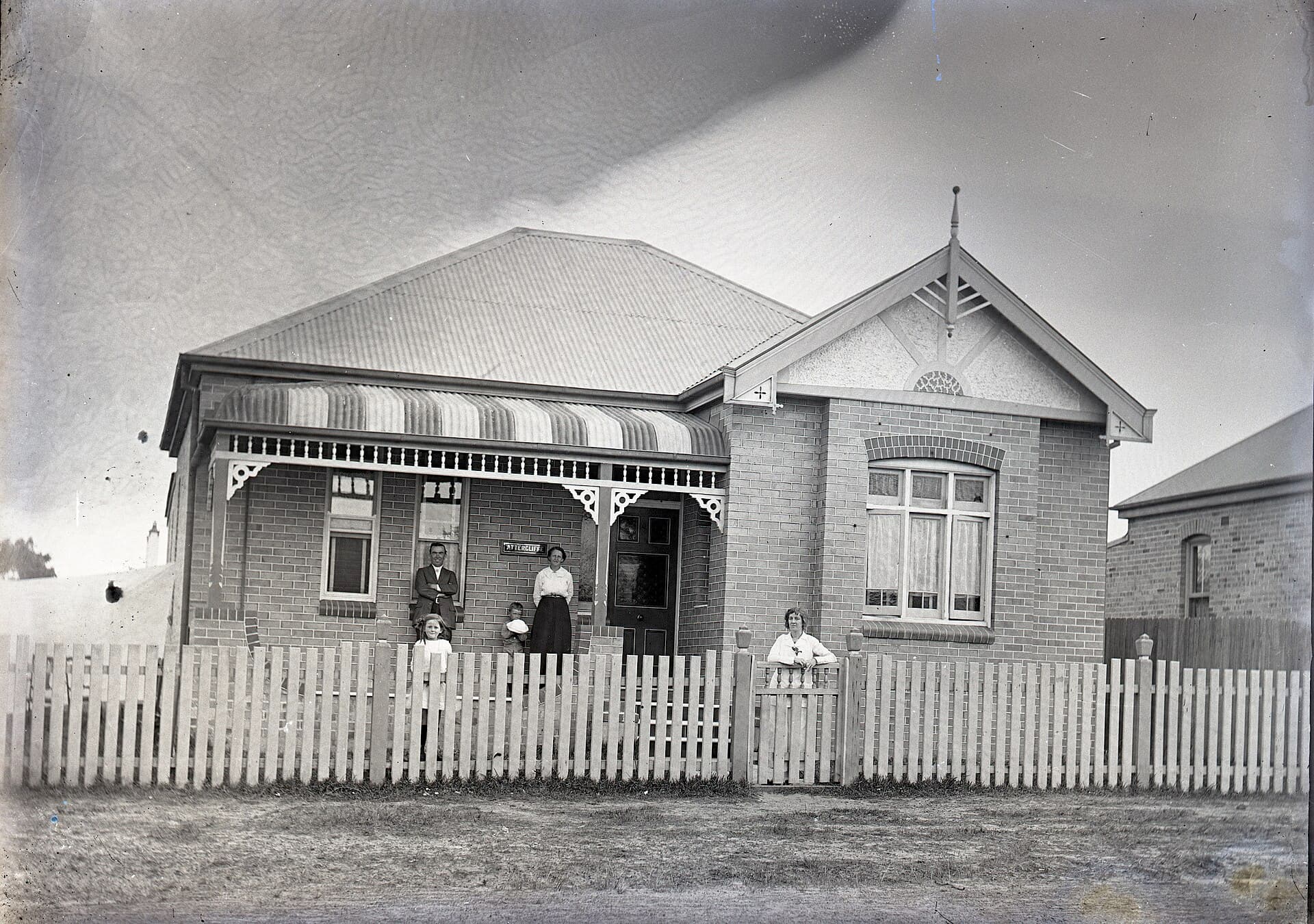
Riverine flooding is the one in the archive photographs: a river, a creek, a floodplain, a house with a tinny in the front yard. The water has a source you can name. Council maps, historical peaks and the 1-in-100 language of planning schemes are mostly about this water. It can still surprise people who bought on a rise they thought was enough.
Overland flow is less photogenic and, in Australian cities, more democratic. Intense rain falls on a catchment that is now roofs, roads and compacted yards. The underground pipes take what they can. The rest moves across the surface, through the low point in the street, through the driveway that looked convenient, through the rear yard that backs onto a concrete drain. Melbourne’s inner north and east have learned this repeatedly. So have parts of Sydney, Brisbane and the Gold Coast that do not think of themselves as river suburbs.
Storm surge and coastal inundation are the third story: water driven ashore, or pushed up a tidal creek, on a bad tide. The house may be a long way from a named river and still have a salt line in its past. South-east Queensland, northern NSW and parts of the Top End do not get to treat this as a theoretical.
A single block can sit in more than one of these. A Brisbane riverside suburb can take river water in one decade and overland flow from the street in another. The map that shows the river may not show the overland path. The inspector who only talks about the river is looking at the postcard.
What the council map is, and what it is not
Flood overlays, flood-planning areas, and the various certificates that mention them are models. They are built from topography, rainfall assumptions, creek surveys and, in the better cases, the memory of actual events. They are useful. They are not a diary of your house.
A house can be outside the mapped extent and still have taken water from a blocked culvert, a neighbour’s fill, or a storm the model did not use. A house can be inside the extent and sit on fill that the last owner paid for, with a floor level that the map does not show. Floor level is the number that matters, and it is the number a visual inspector can only estimate unless someone has a survey.
Buyers who stop at “it’s not in a flood zone” are doing half the work. Buyers who treat every overlay as a write-off are doing a different half. The planning document belongs with the contract. The house belongs with the inspection. If they disagree, that is a reason to keep asking, not a reason to pick the more convenient page.
The visual clues that survive a renovation
Water is a poor houseguest but a vivid one, if you arrive before the plasterers. Even after the plasterers, it is sloppy about hiding.
Watermarks on fences, brickwork, outbuildings and the underside of a high-set floor are the obvious marks. They can also be tidelines from a leaking pipe or from garden irrigation that ran for a year. Context is the difference: a line at the same height on three sides of the house is not a dripping tap.
Silt is less polite. Fine mud in subfloor cavities, in the bottoms of built-in cupboards, in the tracks of sliding doors, and in the weep holes of a brick veneer is flood behaviour. It is also, sometimes, a dusty site. The inspector’s job is to say what they saw, not to write a novella. Your job is not to decide that silt is “just the area”.
Swollen MDF and particleboard are hard to argue with. Kitchen kickboards, laundry cabinets, and the cheap vanity that sat on the floor will take water and keep the shape of it: edges that have gone furry, doors that no longer close, a kickboard that has been replaced in a different colour. Solid timber can swell and recover. The cabinets in most Australian wet areas are not solid timber.
Plasterboard records a flood at the bottom. The paper face cockles. The plaster softens. Fasteners rust in a line. A common repair is to cut the board at a convenient height and replace the lower sheet. A common inspection finding is a horizontal joint that does not belong in the original set of the room, or paint that does not quite match below a certain line. None of that is proof. All of it is a reason to ask.
Skirtings and architraves that are newer than the rest of the room, particularly in the lowest rooms, are the same story in timber. So are floors that change species or direction for no architectural reason. So are cavities that smell sweet, or dead, months after anyone will admit to water.
Cracking in brick veneer can be a flood story or a clay story or both. Saturated ground moves. Then it dries and moves again. A house that took water around the footings may show the movement later, when the buyer is looking at a different defect and a different specialist.
Structural drying, and the mould you cannot see
After the Brisbane floods, and after Lismore, and after every overland event that fills a row of Victorian terraces, a temporary industry arrives: extractors, dehumidifiers, antimicrobial sprays, skip bins. Done properly, structural drying is slow and measured. Moisture readings come down in timber and in cavities, not only on the surface. Linings that cannot be saved are removed. Insulation that has been wet is not put back.
Done as a Saturday special, the same words cover a steam-clean and a new carpet. The smell goes. The cavity stays. Mould that is not visible from the doorway is still a building condition and still a health question. A visual inspector can note odour, staining, and the repairs that look recent. They cannot open every wall. AS 4349.1 does not ask them to.
If the house has a known flood in its recent past, the brief should say so. Ask what was removed. Ask whether any moisture readings exist. Ask whether the insulation in the lower walls is original. You will not always get answers. The absence of an answer is itself a finding, just not one that will appear in the report unless you have told the inspector to look.
Insurance history is not in the building report
This needs its own heading because buyers keep hoping otherwise. The inspector does not receive the claims file. They do not know whether the last policy was cancelled, or whether the last claim was for a kitchen leak that was actually the creek. Some states have disclosure rules about events the vendor knows of. Those rules are not complete, and they are not the inspector’s job to enforce.
If flood insurance is part of your decision — it should be, if the map or the clues say so — ask an insurer or a broker before you are committed. That is a sequencing note, not financial advice. Premiums and refusals have moved since 2022. A cheap house on a floodplain is not cheap if nobody will insure the contents, or if the excess is a second purchase.
Brisbane, Lismore, Melbourne: why the clues still matter
The 2011 Brisbane flood is already far enough away that a house can have been renovated twice. The 2022 event is closer, and in some streets the two are stacked. Buyers in those suburbs now know to ask. They do not always know to look at the laundry kickboard. The river is the celebrity. The overland path from the street is the quieter relative who still has a key.
Lismore’s 2022 flood was high enough that the clues, for a while, did not require expertise. Houses took water through the first floor. Recovery has been uneven. A house that looks new at ground level in a street that does not may be a rebuild, a restump, or a cosmetic line drawn through a cavity that was never opened. The inspection is one of the few moments a stranger is allowed to be nosy about that.
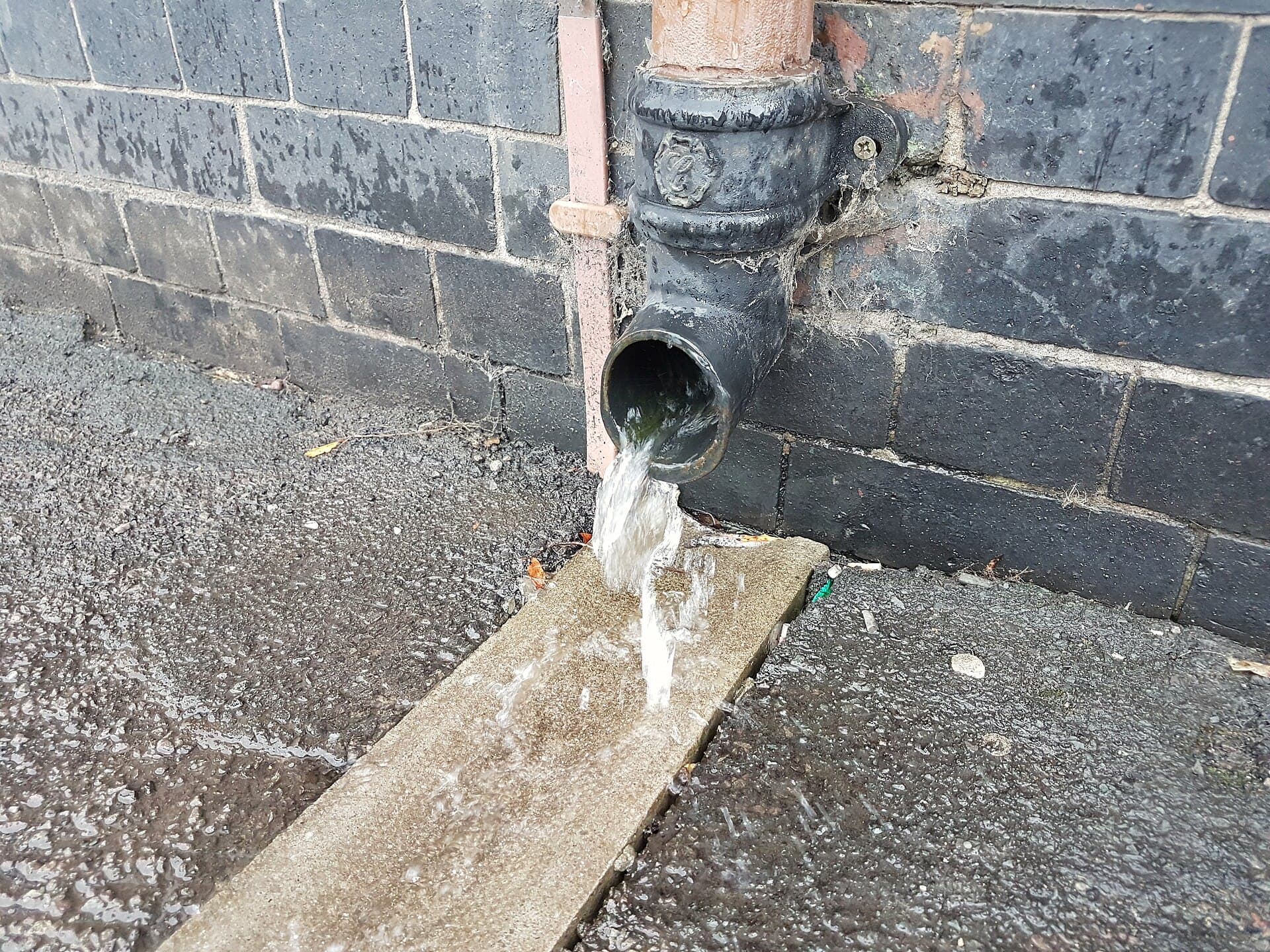
Melbourne’s overland-flow events — flash flooding through inner suburbs that sit well above the Yarra’s famous banks — are a lesson in maps. People bought “not in a flood zone” and still found water coming down the laneway and under the back door. The roofs, gutters and stormwater system of a terrace row is a shared machine. One blocked pit, one paved yard, one downpipe that discharges against a wall, and the machine fails locally. The inspector who looks at the point of discharge is doing flood work even when nobody has used the word.
Other towns have their own archives: the Hunter, the Hawkesbury, Townsville, the mid-north coast, the Kimberley. The mechanism is the same. Water finds the low opening. Repairs find the visible surface. Time finds the buyer.
Electrical safety after water
Water in a switchboard is not a cosmetic defect. Corrosion on the board, a meter box that has been replaced in isolation, power points that sit lower than a known flood line, and cabling that has been wet in a cavity are electrician’s work. A building inspector may call a rusted board a safety hazard. They should. They should also tell you to get a licensed electrician, not a second building report.
People die of this more quietly than they die of the flood itself. If the house has a flood story, the electrical inspection is not an upgrade. It is the next appointment. Gas meters and hot-water units that sat in the water belong in the same week.
A clean living room six months after a flood is a fact about the living room. It is not a fact about the cavity, the subfloor, or the switchboard.
What to do with a finding that is only a suspicion
Most inspection reports will not say “this house flooded in 2022”. They will say that skirtings appear recent, that there is silt in the subfloor, that moisture readings were elevated in the lower walls, that the site falls toward the rear door. That is the correct level of confidence for a visual job.
Your next documents are the planning certificate, any survey that shows floor levels, the vendor’s disclosure, and, if the suspicion is strong, a conversation with someone who dries houses for a living — not someone who paints them. The standards and reports method still applies: stay inside the scope, then book the specialist the scope cannot cover.
If you are buying at auction in a street with a history, do this work early enough that a suspicion can become a decision. If you are buying by private treaty, do not let a building clause expire while you are still waiting for the plumber who was going to look at the yard pit. The pit, the gutter, the overflow relief gully and the point where the downpipe hits the ground are the small machinery of a large risk. They are also the machinery a good inspector will already be looking at, if the brief has given them permission to say the word flood.